

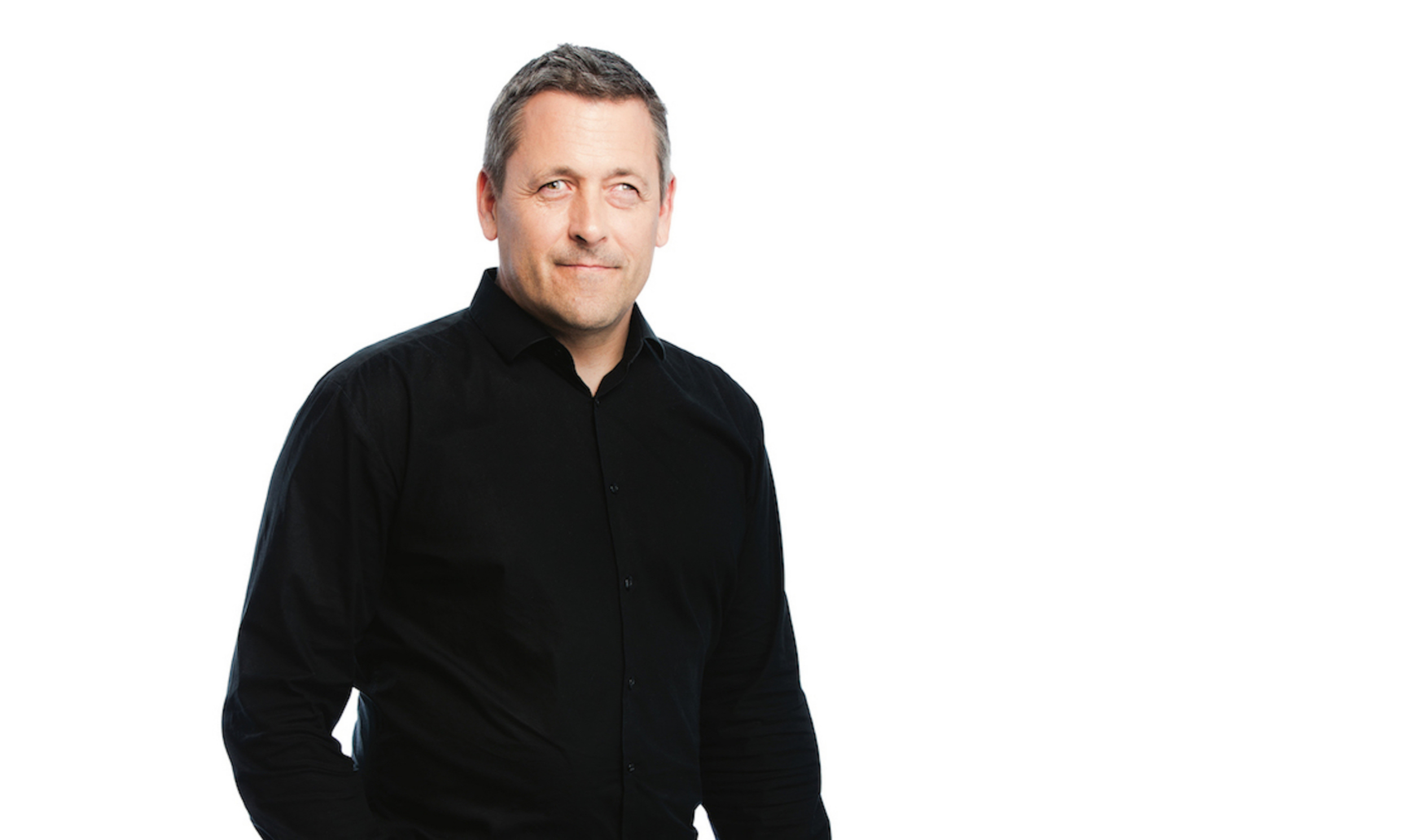
Mark McVay of SmithGroup JJR
Mark McVay is a Design Principal at SmithGroupJJR. His design portfolio includes complex institutional, entertainment, academic and master planning projects- and his talent gets noticed. His work has garnered numerous awards from AIA and Progressive Architecture, and has been widely published in major design journals including Progressive Architecture, El Croquis, A+U, GA and Architectural Record, which once recognized Mark as one of four designers in the nation with extraordinary abilities working within large architectural firms. Recently, Modelo had the opportunity to learn more about Mark’s unique approach and design philosophy.

On becoming an architect
Like most architects, I had an interest in drawing, creating and inventing. I was constantly doodling to develop my skills, but I was always interested in machines and tools and how they conveyed their purpose in an intuitive way. I drew cars, watches, and other technical objects trying to master their proportions, aesthetics and tried to understand how they worked. Drawing has always been a learning tool for me, a medium to discover things and explore ideas. This initial set of activities was focused by an early discovery of Frank Lloyd Wright’s Taliesin West, which was nearby a home we lived near Scottsdale. This discovery led to a curiosity about the profession as a way to express ideas using form with a purpose.
On discovering his voice as a designer
For me, architecture is a passionate profession driven by ideas and the will to create new experiences, forms, and systems that serve society at large. This passion for invention in architecture was introduced to me early in my education, with several key voices including Werner Seligmann, who I met when he was dean of Syracuse SOA. He was intensely demanding as an educator, but his intensity was contagious and inspirational. His knowledge of the profession has led many to pursuing a career in architecture and as a learning profession. Then, professionally one of my first jobs was working at Morphosis. The range of media, exploration and inquiry that drives the work at Morphosis guided many of my ongoing interests in architecture. But, the most important lesson and what has influenced me most was the spirit of optimism that underpins most high-level design activities. Optimism and an insatiable curiosity about the world around me has been my primary operating mode.
On his role at SmithGroupJJR
After working in several high-profile offices, I was looking for a place to plant myself and grow as a designer and thought leader. SmithGroupJJR provided, and continues to provide, a platform for me to develop project opportunities and work with a diverse group of experts to create projects that, with some guidance from someone with my background and experience, can touch a broader audience.
On specific principles he strives to adhere to across projects
We endeavor to create buildings that address a broad set of issues from longevity and resilience to efficiency, innovation and even beauty. We see these as a textile of issues woven together in a holistic manner but most importantly provide a higher value to our clients and the communities they inhabit.
On his role as a designer at SmithGroupJJR
I’m responsible for providing creative direction to our projects, which begins by analyzing the project brief and its physical context. We then create a series of diagrams in order to communicate the opportunities and some initial concepts. I work closely with our internal team and our consultants to push boundaries in each discipline to find the best combination of ideas to meet the project goals. I often follow a project all the way into the field where the initial concepts are truly tested. The desire to build has been a critical part of my career. At the same time, one of my primary roles is to mentor younger staff to capture the passion for design that I feel, and help them discover their talents and identify their career goals. I believe that design is a collaborative process and each team member has a unique voice in the conversation, which ultimately leads to a successful effort.
On recent projects that represent SmithGroupJJR’s unique approach
SmithGroupJJR has some industry leading experts in several project types which allows us to work on projects that exist at the cutting edge of in a number of programmatic specialties. In addition to project expertise, we are deeply committed to design that is unique to its place and explores state-of-the-art use of building systems that reduce resource waste, but most importantly are able to endure for generations. This requires that we forecast future activities and design with flexibility to adapt to those future conditions, which are both functional and environmental in nature. At the end of the day, a sense of timelessness and resiliency should underpin the best projects we can imagine at SmithGroupJJR.
On his design toolkit
I use a range of tools from software to physical modeling and sketches. 3D modeling is definitely a key aspect of developing projects, but the ability to communicate in a variety of media is essential to success as an architect. This includes writing, speaking, sketching and modeling to explore and persuade your collaborators and clients.
On the state of design software today
There are some really great examples that we’ve explored using combinations of tools to collect and document ideas. Each person has to master a series of tools to operate in the current environment. But the most important factor is the ability to engage in critical thinking about the products of these explorations. It’s tremendously easy to create a compelling image in a very short amount of time, but developing a critical position about the design requires much more attention.
On the future of architecture in the next 5-10 years
We’re seeing a lot of hybrid project delivery projects that are merging the activity of design and fabrication. Along with the increasing use of rapid prototyping in design offices and increasing use of design build projects, we’re approaching an increasingly blurred line between architect and builder. The old model of master-builder-architect will be taking on a new meaning in the next 5-10 years.
The ability to globally source products is also affecting the level of invention that’s possible in design. Since we’re no longer limited to local sources for materials, we’re able to draw from a much larger and more connected pool of potential collaborators. This situation will either enable a rise in invention or an evening-out of results as architects who draw from this expanded field for inspiration and execution continue to progress or plateau in mimicry of one another. Either way, the key value we’ll continue to strive for is critical assessment of basic principles of design rather than simply increased complexity or variation in design. These new critical skills how will allow greater scrutiny over our design concepts to guide the development of work that remains relevant to future generations.
On the firm’s evolution in the next 5-10 years
We have created a robust training platform that includes courses from Lynda.com and other sources so our staff can keep up-to-date on software evolution. We are also always planning for leadership evolution from our established experts to younger generations.
On advice he would give his younger self
Take big risks and always maintain a sense of humor.